Heat Scorching in Plants: Causes, Symptoms & Easy Prevention Tips
As temperatures rise, your plants can suffer more than you think. One of the most common summer plant problems is heat scorching- a condition that can damage leaves, slow down the growth, and even kill your plants if not managed properly.
In this blog, we’ll break down everything you need to know about heat scorching in plants, including its causes, signs, and simple ways to protect your garden.
What is Heat Scorching in Plants?

Heat scorching happens when plants lose water faster than they can absorb it, leading to leaf burn, dryness, and damage. It is most common during peak summer or sudden heat waves.
This leads to burn-like damage, especially on leaves, making the plants look dry, crispy, and unhealthy.
Causes of Heat Scorching
Understanding the causes can help you prevent the issue effectively:
1. Intense Sunlight Exposure
Direct sunlight during peak hours (12 PM – 4 PM) can overwhelm plants, especially delicate ones.
2. High Temperature & Dry Air
Hot winds and low humidity increase water loss from leaves.
3. Inadequate Watering
When roots don’t get enough water, plants cannot maintain hydration under heat stress.
4. Poor Soil Quality
Soil that doesn’t retain moisture (like sandy soil) worsens the condition.
5. Sudden Weather Changes
Plants not acclimatized to heat are more prone to scorching.
What Are the Symptoms of Heat Scorching?
You can identify heat stress in plants by these signs:
-
Brown or burnt leaf edges
-
Yellow or faded leaves
-
Curling or wilting leaves
-
Crispy, dry texture
-
Premature leaf drop
How to Prevent Heat Scorching (With Smart Gardening Solutions)
1. Provide Shade During Peak Hours
Direct afternoon sunlight is the biggest culprit.
Pro Tip: Use a shade net or reposition pots to protect plants between 12-4 PM.
This is especially important for balcony gardeners where sunlight is intense and reflected heat is higher.
2. Water Deeply & Consistently
Surface watering isn’t enough in summer-roots need deep hydration.
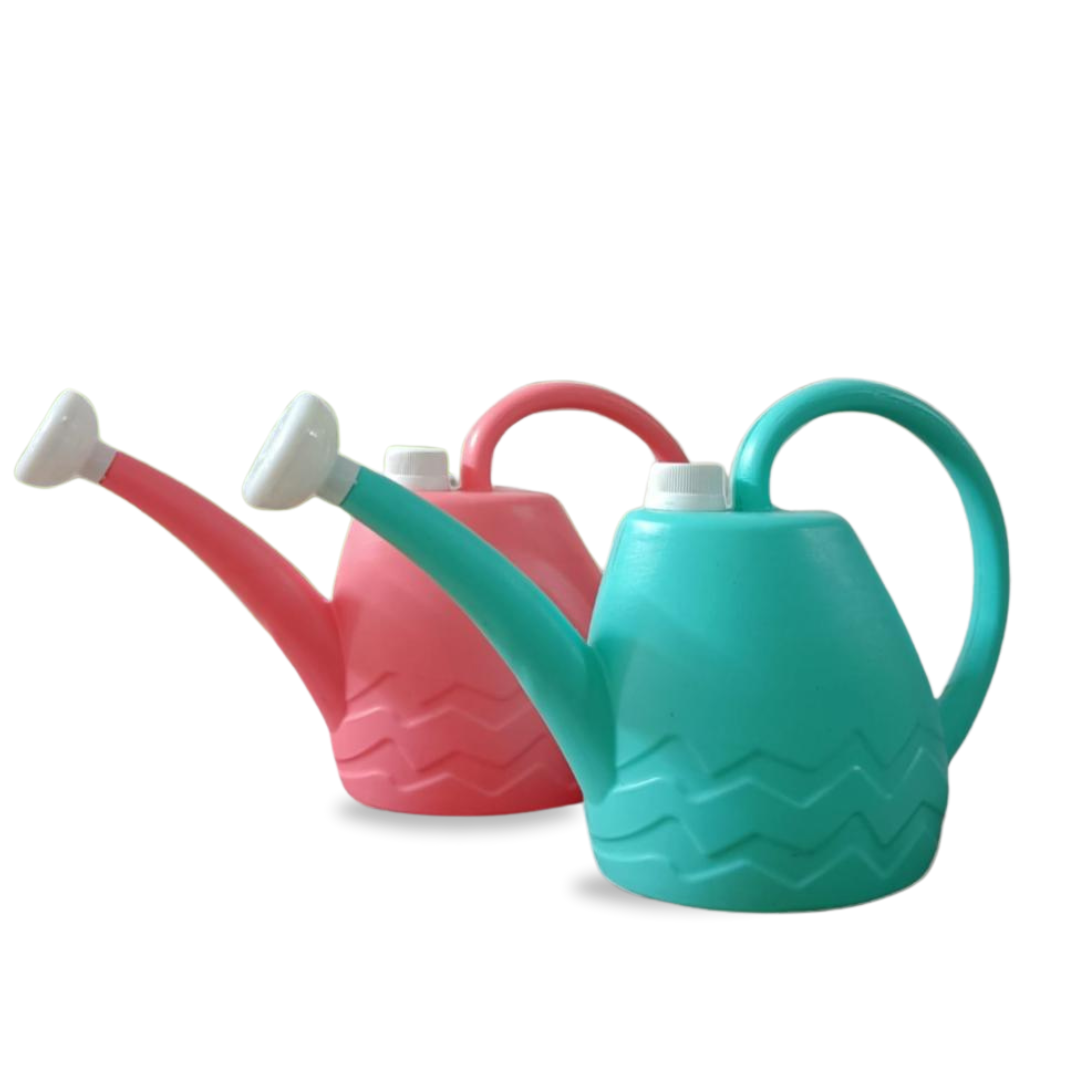
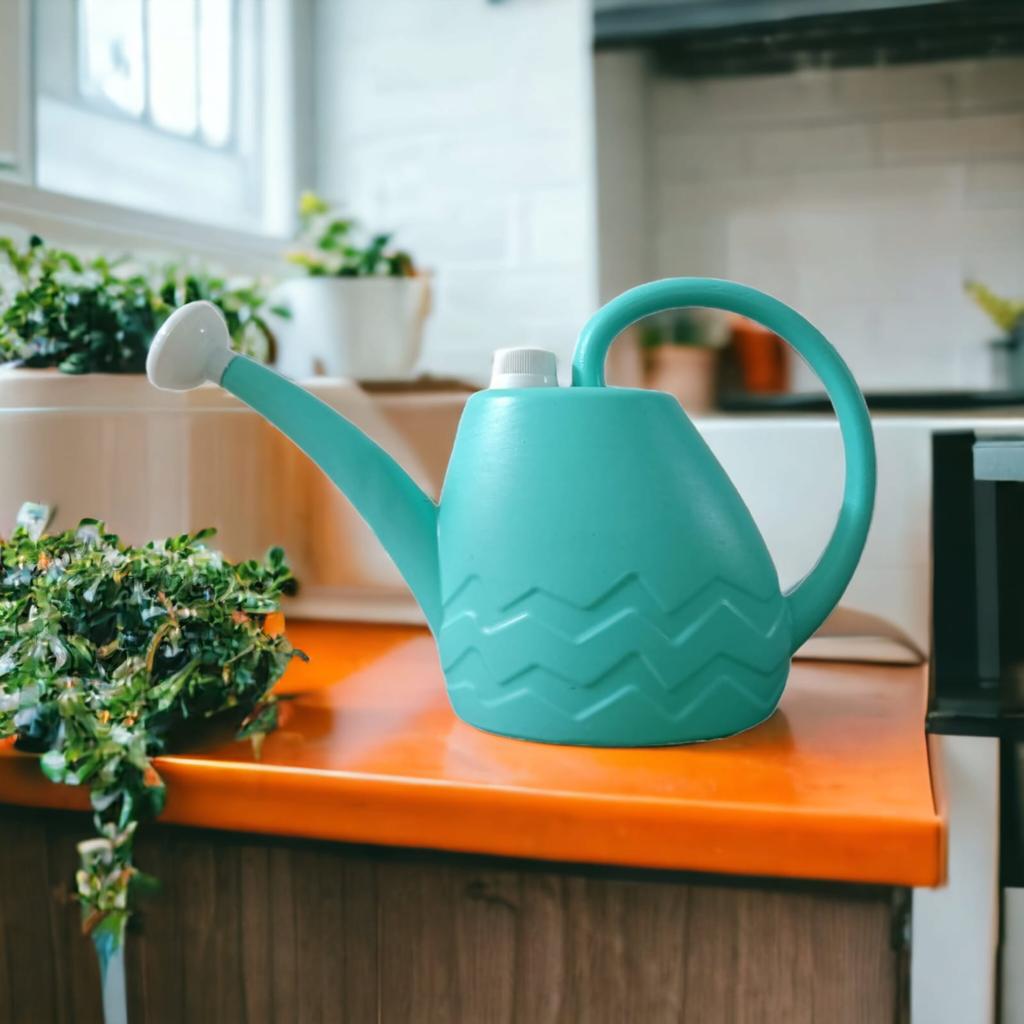
Pro Tip: Use a lightweight watering can with controlled flow to ensure even watering without disturbing soil.
This helps maintain consistent moisture levels without overwatering.
3. Improve Soil Moisture Retention
The right soil mix can make a huge difference.
Pro Tip: Add cocopeat + vermicompost to your soil mix:
-
Cocopeat retains moisture longer
-
Vermicompost improves soil health and nutrient supply
This combination reduces water stress and keeps roots cool even in extreme heat.
4. Use Mulch for Temperature Control
Mulching acts like a protective blanket for soil.
You can use:
-
Dry leaves
-
Cocopeat layer
-
Bark mulch
It helps:
-
Lock moisture
-
Reduce evaporation
-
Protect roots from overheating
5. Increase Humidity Around Plants
Dry air accelerates moisture loss.
Simple Fix:
-
Light misting in the morning
-
Keeping plants grouped together
This creates a microclimate that reduces stress on leaves.
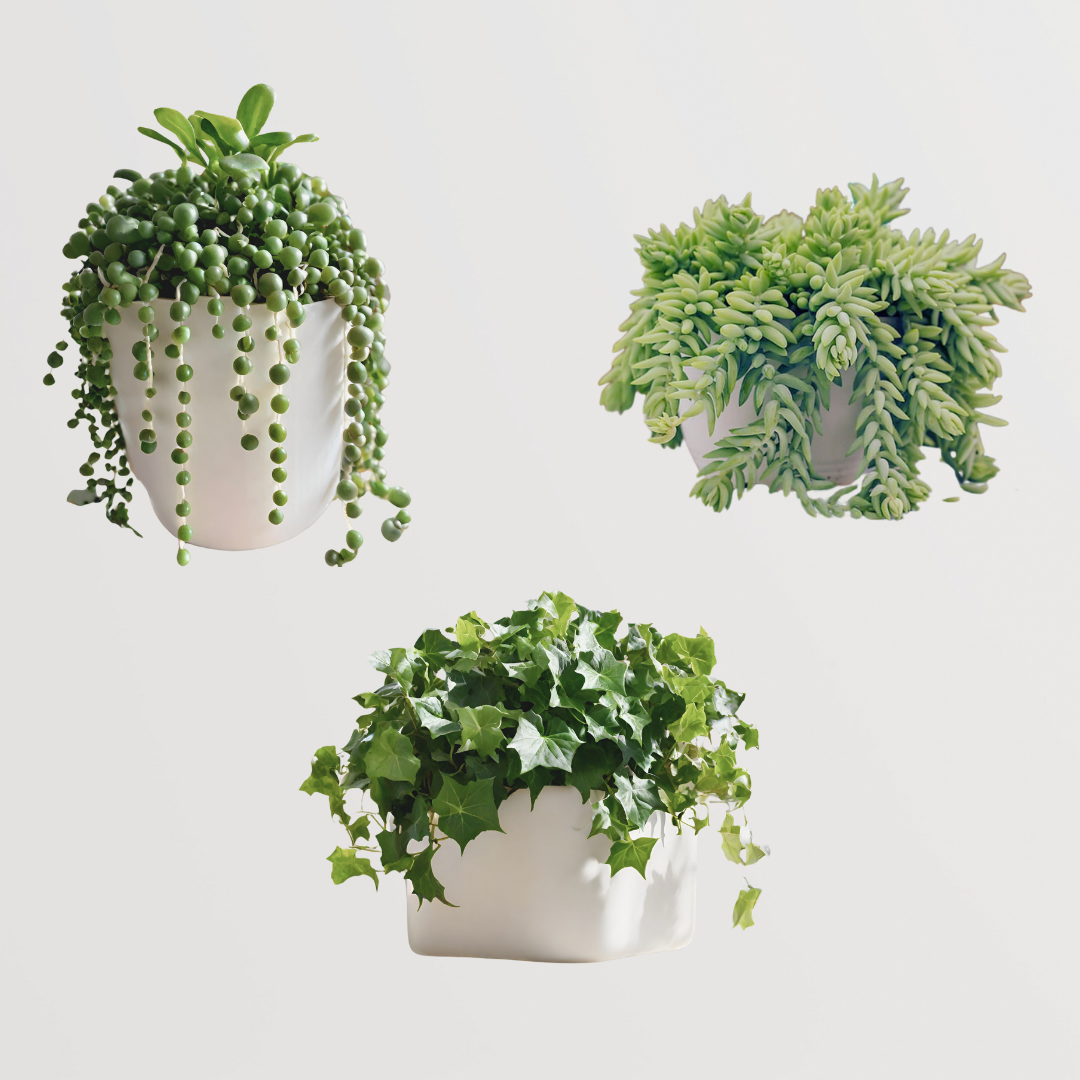
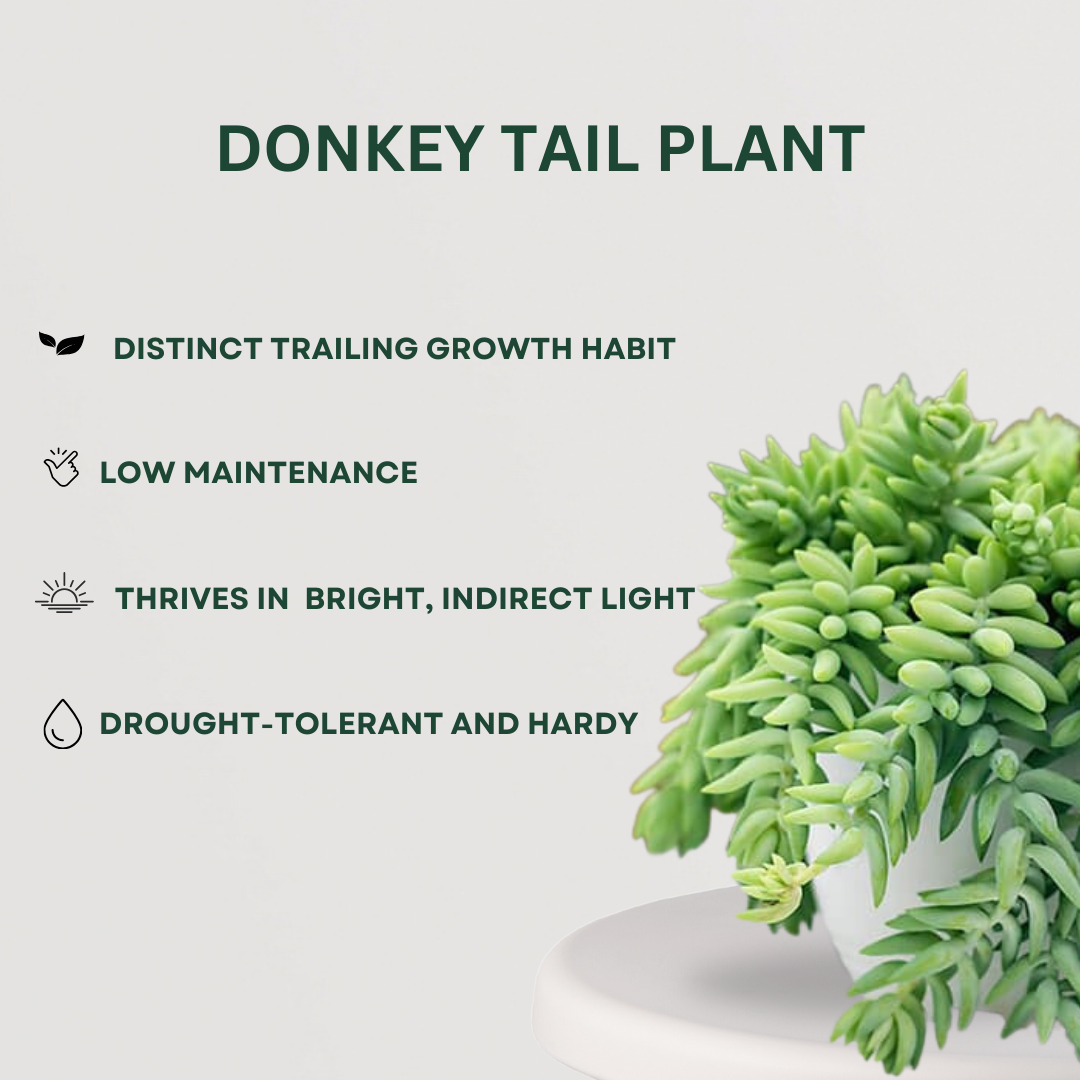
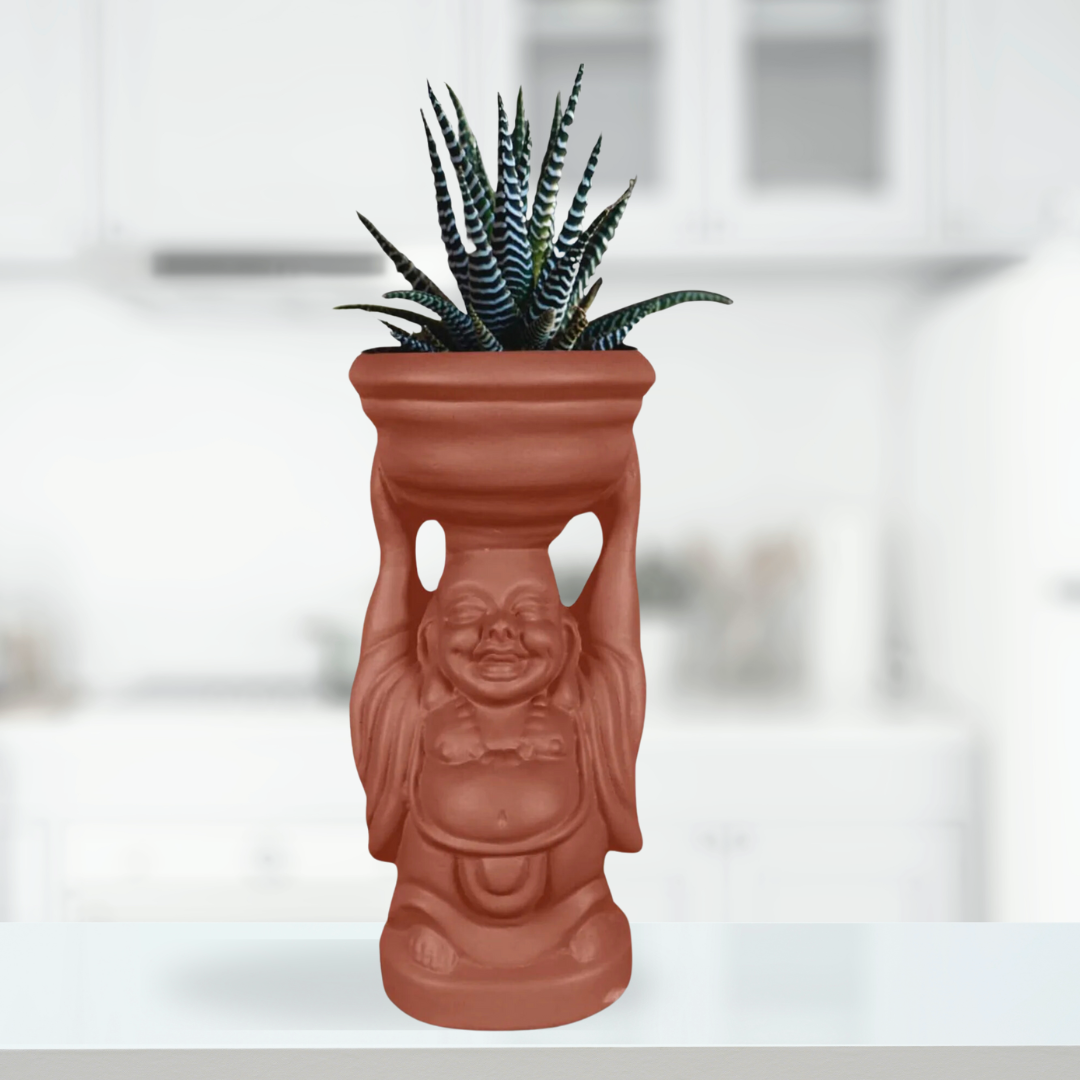
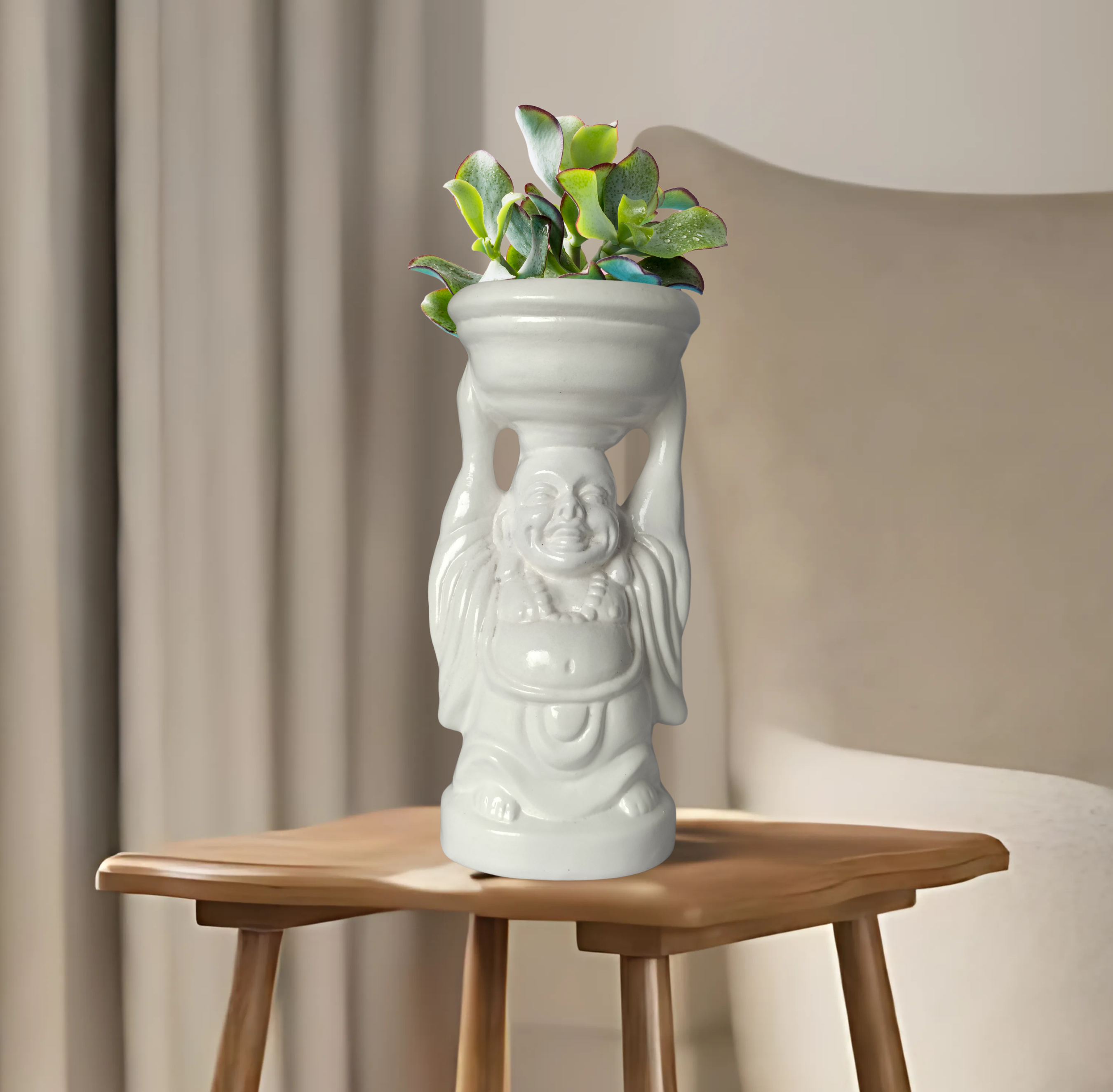
Bonus: Best Heat-Tolerant Plants
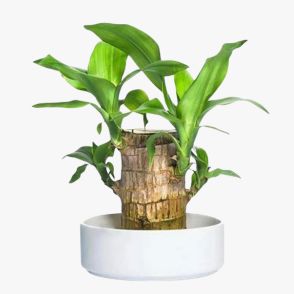
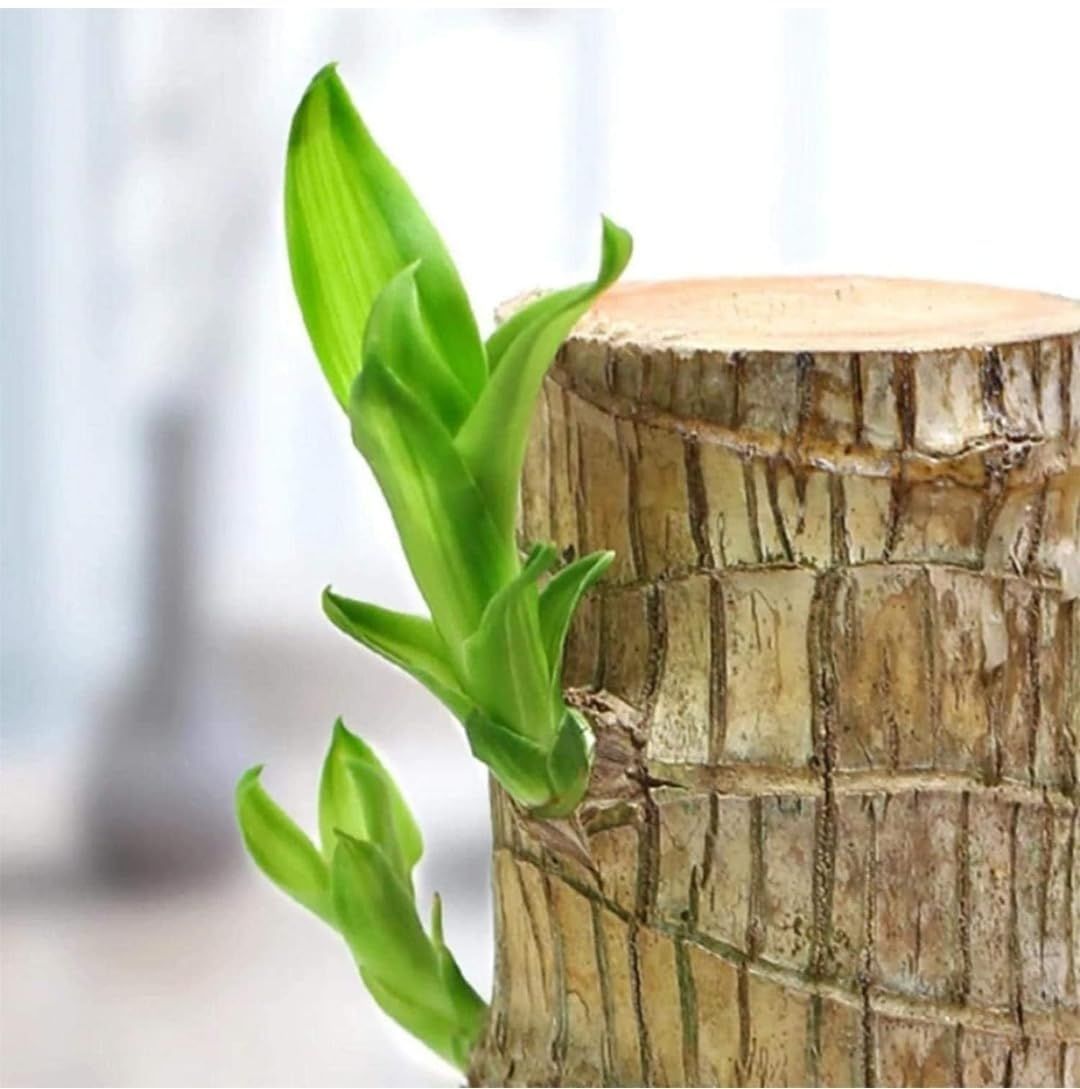
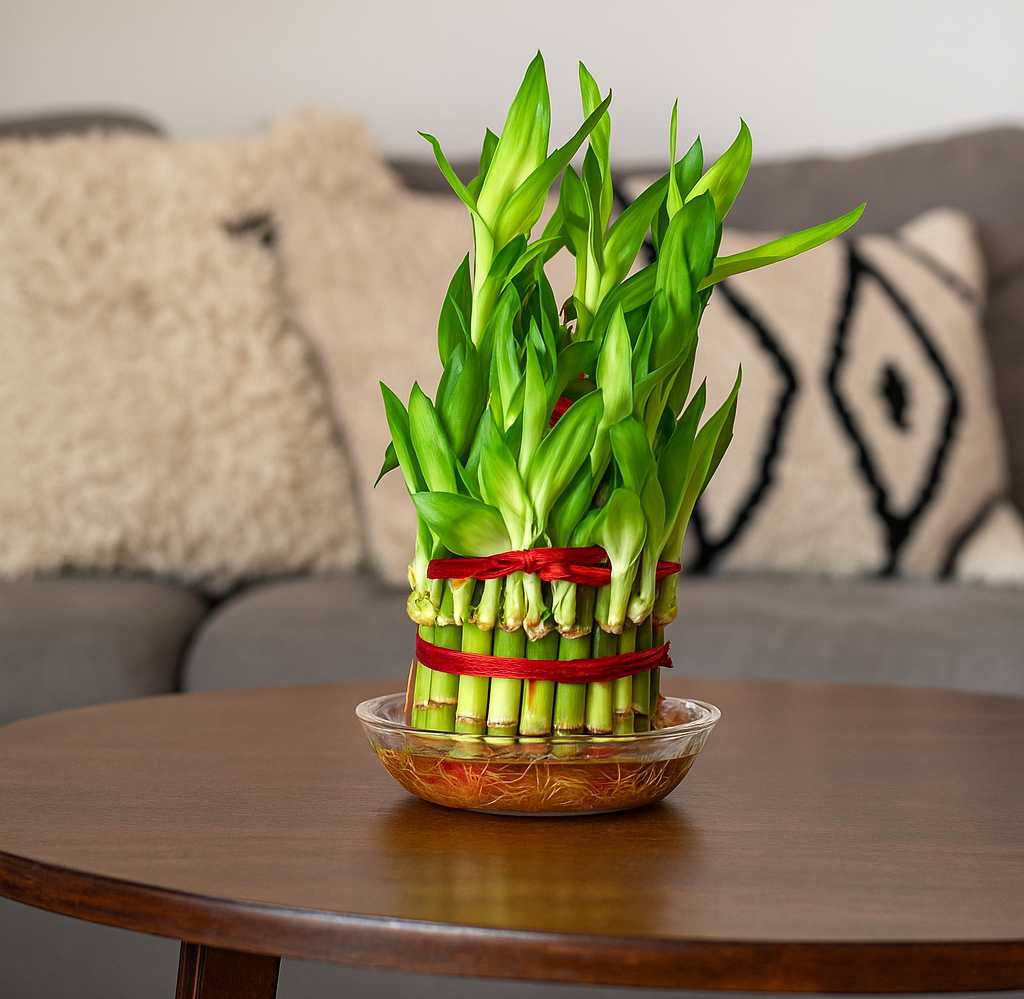
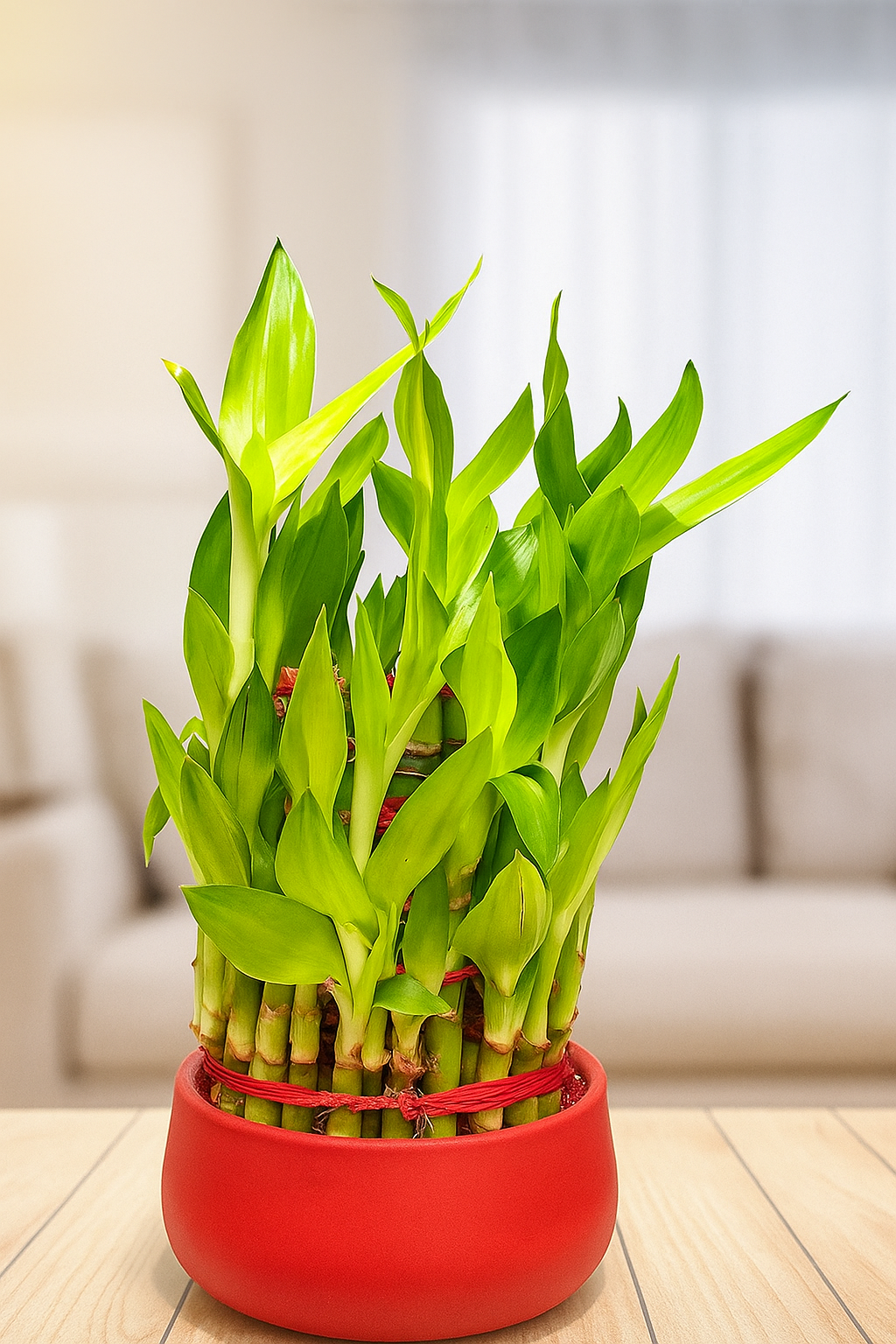
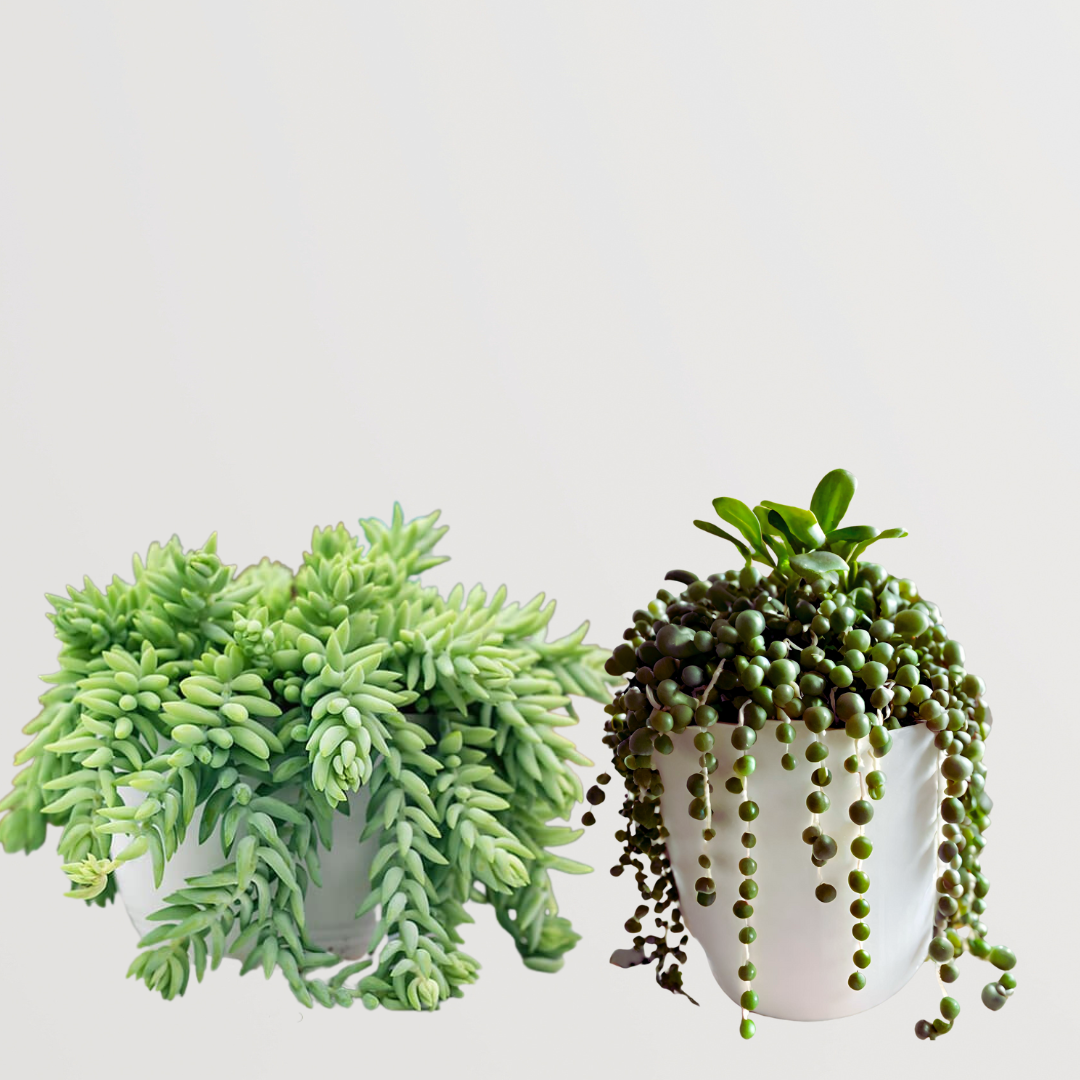
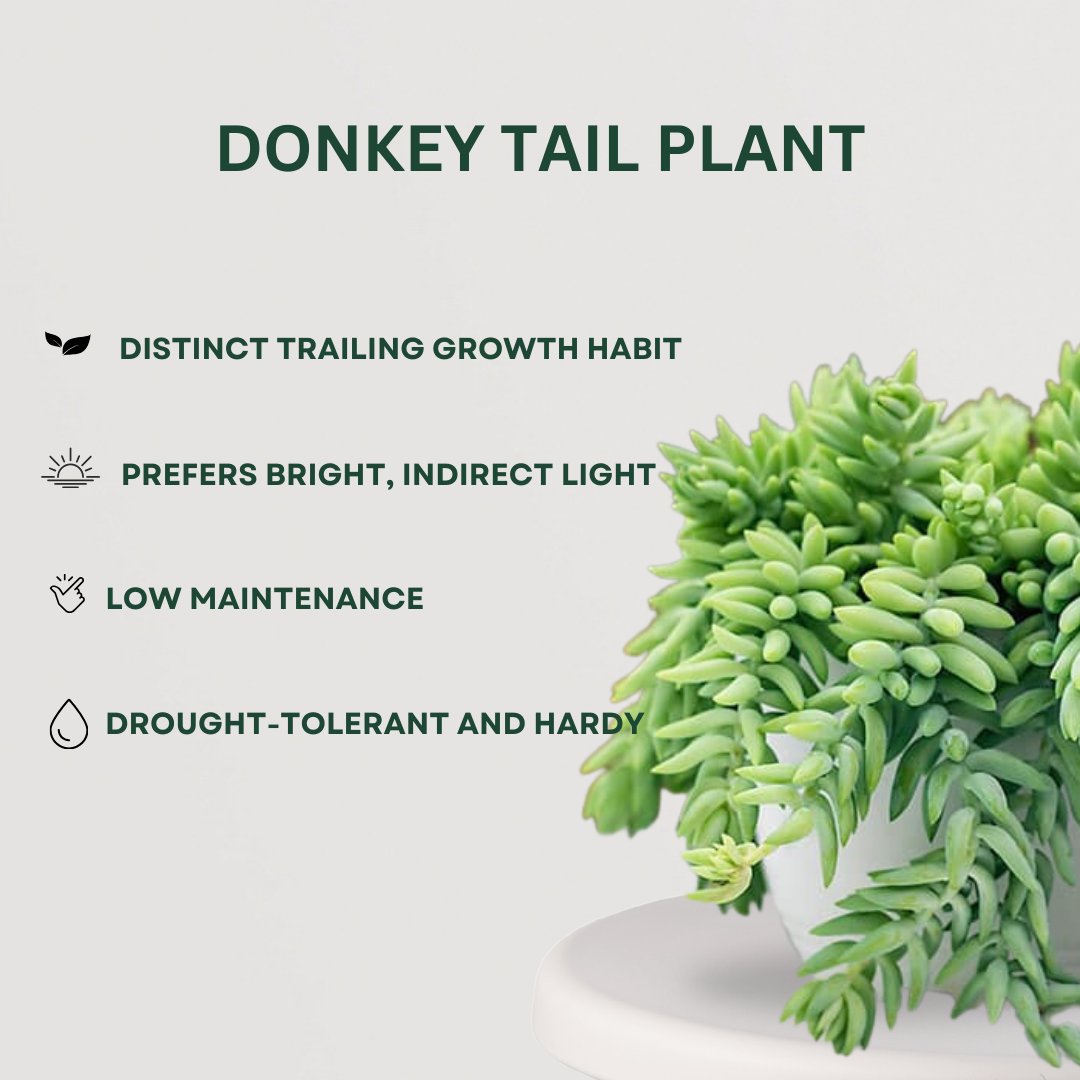
If you want low-maintenance gardening in summer, go for:
These plants naturally adapt better to harsh sunlight and heat.
FAQs
Q1. Can scorched leaves recover?
No, damaged leaves won’t heal, but proper care will promote new healthy growth.
Q2. How often should I water in summer?
Usually once daily, but adjust based on soil and plant type.
Q3. Is cocopeat really helpful in summer?
Yes, it significantly improves moisture retention and prevents root drying.
Q4. Do indoor plants also get heat scorch?
Yes, especially if placed near windows with direct sunlight.
Heat scorching is common but easily manageable. With the right approach-proper watering tools, moisture-rich soil mix, and plant care support-you can protect your plants even in peak summer.